
Private Label Collagen Peptides Powder
Build a collagen powder around the way your customers prepare it: an unflavored scoop for everyday drinks, a flavored beverage mix or a measured sachet. HerbalExt supports source review, formulation, sampling and OEM & ODM packaging development for your brand.
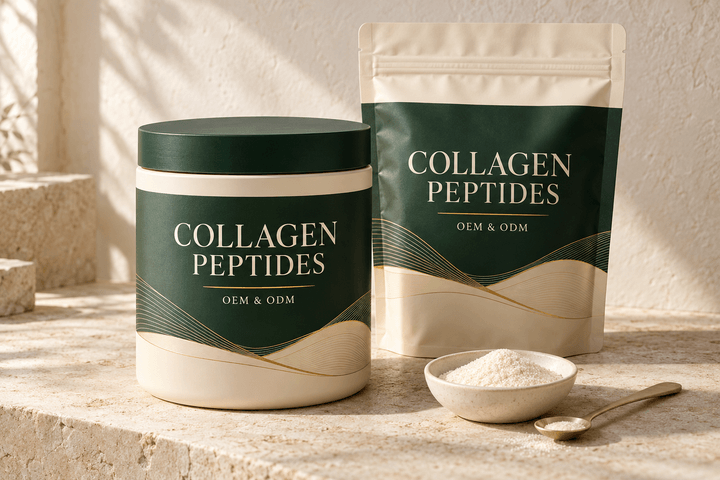
Collagen, Built for the Application
A collagen powder for coffee needs a different approval brief from a fruit-flavored drink mix. The source must fit your brand policy, the powder must behave acceptably in the intended liquid, and the serving must fit the pack. These decisions shape the product more usefully than a long list of fashionable additions.
HerbalExt supports private label collagen peptides powder development for wellness, beauty and nutrition portfolios. Begin with one clear application and an agreed raw-material specification. Flavor variants and additional ingredients can then be assessed against that base, with samples used to settle the experience before the commercial recipe and artwork are approved.
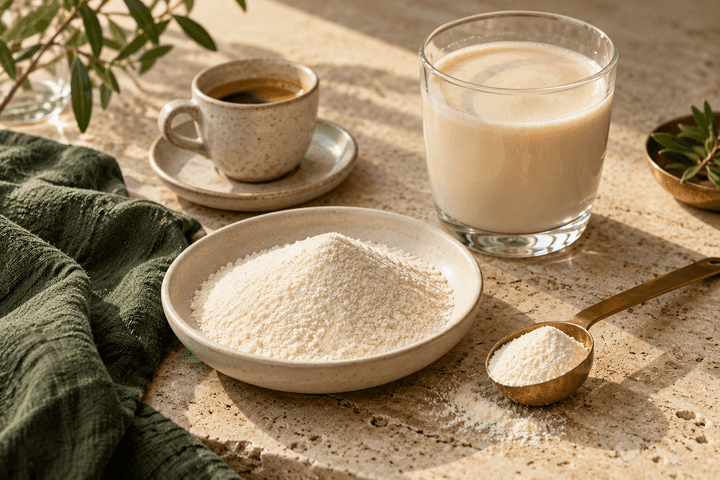
Choose a Product Direction
These concepts describe development routes. They are not a list of verified stock recipes, and each depends on ingredient availability and market review.
Unflavored Collagen Base
A focused powder for buyers who want collagen as the main ingredient and plan to mix it into drinks or foods. Evaluate background aroma, color and the visible finish in the chosen application. A short ingredient list makes raw-material selection especially noticeable.
Flavored Collagen Drink
A standalone beverage concept built around a defined liquid volume and sweetness level. Citrus, berry, vanilla or cocoa directions can be discussed. The chosen flavor must work with the actual collagen base rather than a water-only flavor sample.
Collagen Blend
A multi-ingredient direction for a distinct portfolio role. Additional nutrients or other compatible ingredients require separate specification and label review. Confirm how much of each serving is collagen and how much is occupied by the rest of the recipe.
Portion Sachet Range
A format for measured servings and compact packs. Sachet dimensions depend on the finished powder's volume and fill behavior. A sachet project can use an unflavored or flavored direction, with separate approval of opening and emptying performance.
Specify the Collagen
Source Documentation
Name the animal source and relevant source tissue in the material brief. A bovine peptide direction and a fish-derived direction call for different origin documentation and allergen review. If a religious, traceability or sourcing requirement matters to your brand, raise it before sampling and confirm the documents for the proposed ingredient.
Material Specification
Describe the hydrolyzed material beyond its marketing name. Discuss identity, peptide or molecular-weight information where required, analytical method, moisture and the agreed physical characteristics. A number on a brochure is difficult to compare if one supplier reports an average and another reports a distribution. These are purchasing criteria to establish, not specifications already demonstrated for every HerbalExt project.
Build the Serving
Set the intended collagen amount separately from the total powder weight. Flavor, sweetener, cocoa, carriers and any additional ingredients use part of the serving. Review the complete formula before choosing a scoop or stating servings per pack.
| Decision | What to establish |
|---|---|
| Collagen contribution | The proposed ingredient amount and the basis for any quantitative label declaration. |
| Total serving | The mass of the finished recipe, including its sensory system and other ingredients. |
| Preparation | The intended drink or food, liquid volume and mixing method. |
| Portion tool | A scoop or sachet checked using the finished blend's actual fill behavior. |
| Pack size | Net content and proposed serving count reconciled with the final serving weight. |
Serving development is a product-design task. Amounts and directions must be reviewed for the intended market; this page does not prescribe a consumer dose.
Flavor That Fits the Base
Unflavored Profile
Unflavored products need a sensory target as much as flavored ones do. Compare the dry aroma with the prepared drink, then consider whether the base changes a familiar beverage. A powder intended for black coffee may expose a background note that is less noticeable in a milk-based smoothie.
Flavored Drink Profile
For a flavored concept, select the drink style first. A cocoa or vanilla blend may call for body and a rounded finish; a fruit drink may call for a lighter texture and carefully balanced acidity. Sweetener systems should be compared for onset, lingering sweetness and aftertaste. Ingredient-list preferences belong in this decision, along with taste. Approve the selected combination in the finished recipe.
Test the Actual Drink
Write a repeatable preparation method for each application. Identify the amount of liquid, temperature range, order of addition and mixing tool. Compare dry pockets, surface foam, visible particles and the drink after standing. Record both the first impression and the final sip rather than using a single photograph as the approval.
Hydrolyzed collagen, gelatin and other protein materials can behave differently. Avoid assuming that a collagen name guarantees instant dispersion or universal compatibility. If your label will mention coffee, cold water and smoothies, include all three in the sample plan. Agree which appearance changes are acceptable and which require another development round.
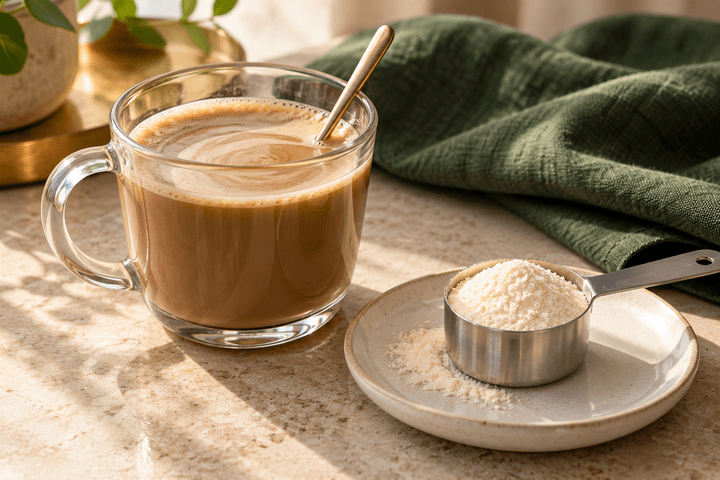
A Clear Place in Your Range
Format & Ingredient Scope
A single-ingredient concept suits a portfolio that wants source information and flexible food or drink use to lead the story. A flavored SKU gives the brand more control over the prepared experience, but also introduces a fuller ingredient list. Sachets add portion clarity and different packing economics.
Primary Use Case
Choose the primary use case before multiplying flavors. It guides product naming, photography, pack instructions and the questions your sales team must answer. Beauty or wellness positioning is a merchandising direction; any specific consumer benefit claim needs its own evidence and destination-market review.
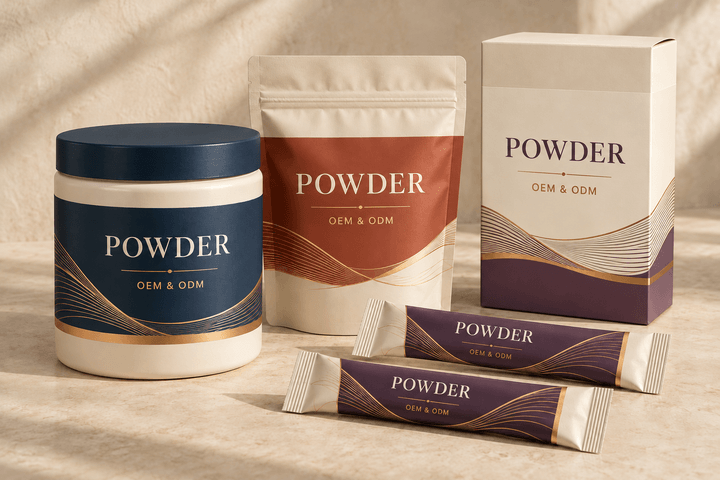
Packs for a Powder Routine
A tub gives space for a scoop and repeated opening. Review neck access, scoop retrieval, headspace and powder left around the closure. Net weight alone does not determine the container: bulk volume and the final serving tool must fit comfortably inside.
A pouch can support a compact refill or retail concept, subject to its structure and closure. Portion sachets need a workable fill volume, readable artwork and an opening that releases the powder cleanly. Discuss moisture protection, seals, transport and storage with the selected packaging components. Confirm actual component suitability and supply before treating a mockup as a production pack.
OEM & ODM Scope
Formula & Product Direction
For an OEM project, bring the formula and material requirements you intend to use. Review the source declaration, ingredient permissions, sensory target and production feasibility together. A reference product can communicate texture or flavor, but it does not replace an agreed formula.
Project Scope
For ODM development, start with the product direction and the boundaries that matter: source policy, application, ingredient exclusions and target pack. HerbalExt can discuss formula development and branded packaging around that brief. Formula ownership, document requirements and approval responsibilities should be settled in the project agreement.
Approve More Than the Powder
A useful collagen sample records the conditions that made it acceptable. Keep the sample reference attached to the selected ingredient and formulation version.
Select the base
Review proposed source information and the raw-material specification. Compare an unflavored preparation before adding a masking system.
Prepare each application
Use the intended drink or food and a recorded preparation method. Note temperature, liquid volume, stirring and observation time.
Refine the experience
Compare flavor, aroma, texture, appearance and aftertaste with the agreed target. Carry changes into a clearly identified recipe version.
Check the portion and pack
Confirm serving weight, scoop or sachet fit, fill volume and draft instructions. Keep commercial pack approval separate when components are still being selected.
From Recipe to Production
The production plan follows the approved formula and pack specification. Ingredient or component substitutions need a documented review.
Lock the material brief
Confirm the selected collagen identity, source paperwork and agreed acceptance criteria before purchasing the production material.
Confirm the complete recipe
Reconcile collagen contribution, any additional ingredients and the flavor system with the serving and label brief.
Review blending behavior
Assess the agreed process for the powder combination, including distribution of lower-inclusion ingredients where the recipe contains them.
Set the filling plan
Match the finished blend to the approved container, portion tool, seals and fill specification.
Complete release review
Review the required records, applicable testing and approved artwork against the project agreement before shipment arrangements are finalized.
Quality Questions to Resolve
Ask which identity and composition checks apply to the selected collagen material and which belong to the finished blend. Protein information, peptide characterization and source documents answer different questions; one document should not stand in for all three. Define the methods and acceptance criteria required for the purchase.
For the finished product, discuss microbiological criteria, relevant contaminants, moisture, appearance and pack integrity according to the material, destination and risk assessment. Any requested shelf life needs a suitable basis for the actual formula and packaging. Available reports and batch documents must be confirmed for the project. No test result or certification is implied by a concept description.

Source and Label Details
Product Label
Review ingredient naming, animal-source disclosure, allergen information and permitted positioning before final artwork. A fish-derived option needs particular attention to fish-source information and the destination's allergen rules. A bovine option should not inherit the declarations of a marine sample.
Positioning & Evidence
Collagen content, total protein and the wording of any protein claim are separate label questions. A peptide specification alone does not settle the finished nutrition declaration. Match the ingredient list, portion instructions and net content to the final recipe, with regulatory review appropriate to the market.
MOQ and Quotation
MOQ is available on consultation. A quotation needs the selected source and material specification, serving concept, formula complexity, pack format, intended quantity and destination. Specialized ingredient requirements or custom packaging components can change the order basis.
Confirm sampling charges, the scope of analytical work, artwork responsibilities and the current schedule in the proposal. If several flavors share a base, ask how their separate ingredients and packaging affect quantities. Price comparisons are most useful when collagen contribution, pack size and documentation requirements are equivalent.
Collagen Powder FAQs
Can a collagen peptides powder be developed without flavor or sweetener?
Yes, an unflavored direction can be reviewed. Define the intended liquid and acceptable aroma before choosing the material. Unflavored describes the recipe; it does not promise that the powder has no taste, color or smell. Approve the base in the drink your customers will actually prepare.
Which collagen source should a private label brand choose?
Start with your audience, destination market and source policy. Bovine and fish-derived peptide directions require different origin and allergen reviews. Request the species and tissue declaration for the proposed material, then compare specification, sensory performance and commercial availability. Source choice alone does not establish product efficacy.
Is collagen peptides powder the same as gelatin?
They should not be treated as interchangeable specifications. Collagen peptides are made by hydrolysis, while a gelatin ingredient may have a different molecular profile and functional behavior. For a drink-mix brief, specify the intended peptide material and application requirements rather than approving an ingredient only because its name contains collagen.
Can the powder be designed for coffee and cold water?
Both applications can be included in the development brief, but each needs its own preparation trial. Record the liquid temperature, volume, mixing method and observation period. A sample that disperses acceptably in a warm stirred drink may behave differently in a cold bottle or in a smoothie.
Can collagen be combined with other ingredients?
Complementary ingredients can be considered after the collagen base and serving are defined. Each addition needs an amount, purpose and market review, followed by sensory and compatibility checks. A blend has a different total serving weight and ingredient list from a single-ingredient collagen powder.
Does a low molecular-weight description guarantee better results?
A molecular-weight specification helps describe the material. Ask how it was measured and whether the figure represents an average or a distribution. It does not establish a health outcome for the finished product. Claims and any comparison with another ingredient require their own appropriate evidence.
Which packaging formats can be discussed?
Tubs, resealable pouches and portion sachets can be reviewed around serving weight, fill behavior and the intended sales channel. Confirm the scoop or sachet size with the actual blend. Artwork dimensions, barrier requirements and packing quantities are settled for the selected project.
What determines the minimum order and quotation?
MOQ is available on consultation. The quotation depends on the selected collagen material, total recipe, tests, pack format, artwork and order quantity. Ingredient sourcing and packaging components can have separate minimums. Confirm sample scope and production timing with the commercial proposal.
What should accompany a sample request?
Provide your source preference, proposed serving, target drink or food, flavor direction, destination market and pack concept. Add a reference product if useful and explain which characteristics matter. The agreed sample record should identify both the material and preparation conditions used for approval.
Discuss Your Collagen Concept
Tell us the collagen source you want to explore, the drink or food it should suit, your proposed serving and the pack you have in mind. Include the destination market and expected quantity so the discussion can address materials, sample scope and quotation together.