
Electrolyte Powder Manufacturer
Electrolyte powder for supplement brands, sports nutrition ranges and drink-mix projects. Explore mineral profiles, flavor options and stick, sachet, pouch or tub formats for your next product.
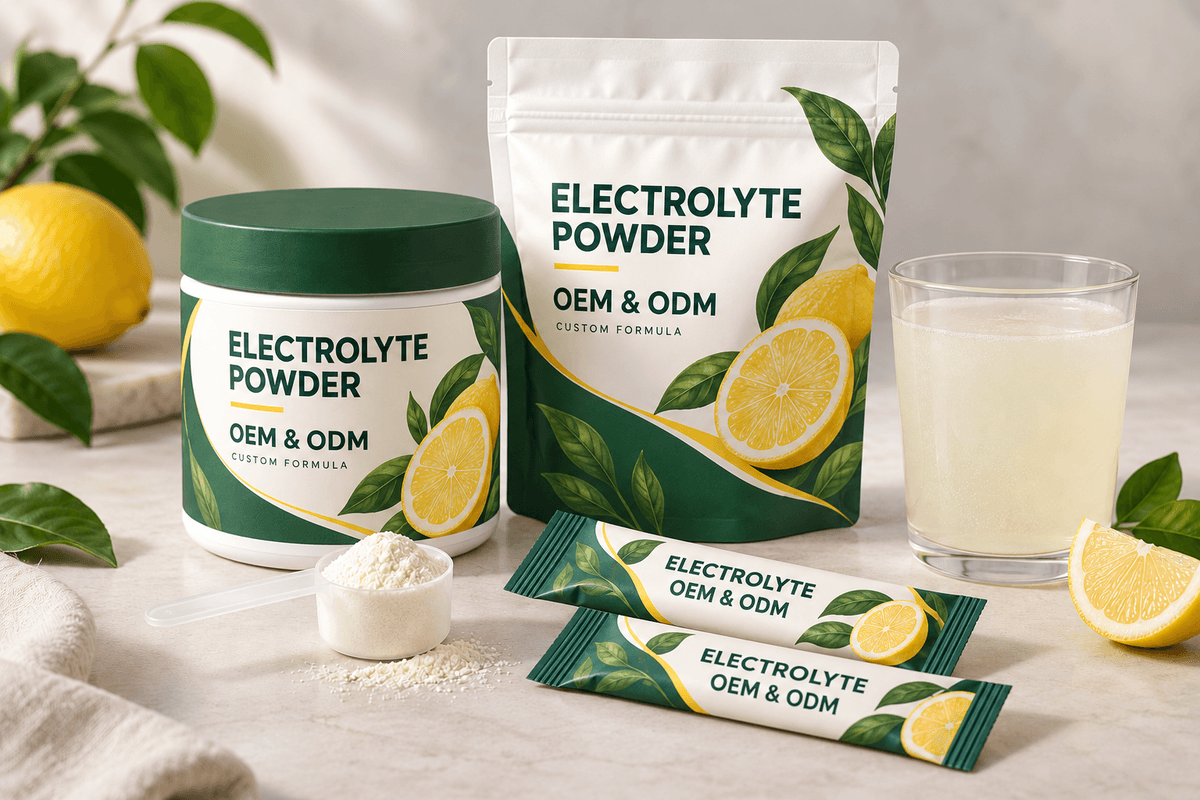
Electrolyte Powder Manufacturing
Launch a drink mix, adapt an existing formula or develop a signature flavor line. We connect ingredient targets, serving size, sensory development and packaging, so your approved sample and commercial order describe the same product.
You can start with a complete formula, a reference label or a clear product idea. Our role is to turn that starting point into a practical powder project with defined specifications, an approved sample and a production plan.
Formula & serving
Connect the mineral targets, source ingredients and total powder weight with the intended serving.
Flavor & mixing
Develop a clear target for taste, appearance and preparation in the intended glass or bottle.
Retail & bulk formats
Choose single-serve or multi-serve packaging around the product, sales channel and order requirements.
Who We Work With
Tell us your sales channel, intended customer and reorder plans. Each changes what the product needs to do.
Supplement & wellness brands
Build a distinct electrolyte line around the ingredient story, mineral declaration, taste and serving format. Describe its place in your portfolio.
Sports nutrition businesses
Connect the formula to the intended activity, drinking instructions and bottle format. Give sample reviewers a shared sensory target.
E-commerce & retail sellers
Plan pack dimensions, servings, artwork and cartons alongside product cost. Compare a single-flavor launch with a range before splitting the first order.
Importers & distributors
Bring destination-market requirements, language needs and receiving specifications into the quotation. Define whether you want finished retail packs or powder for an agreed downstream packing route.
Product Options
These product concepts give your team a starting point for development. Each can be shaped around your formula targets, taste preferences and commercial pack.
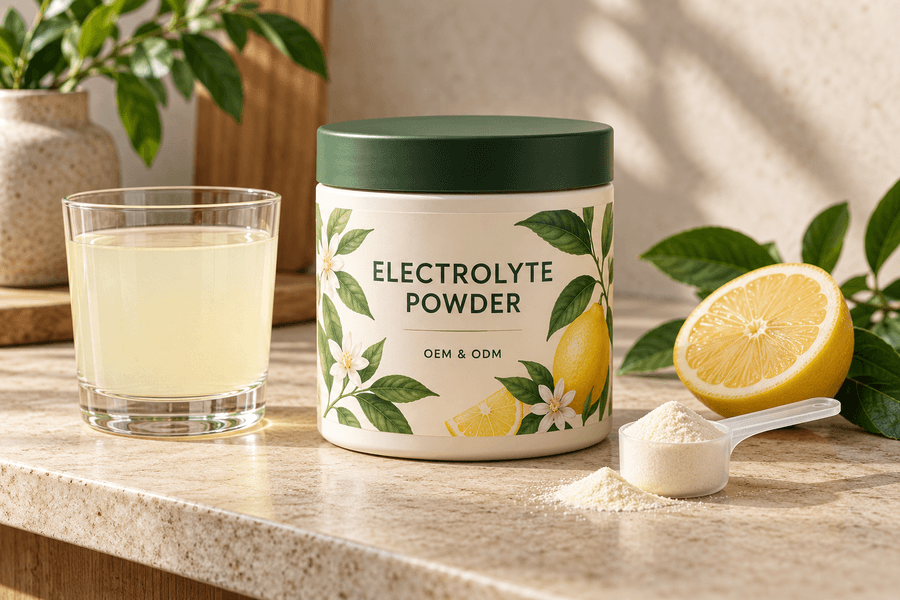
Everyday electrolyte drink mix
A mineral drink concept for a daily product range. Develop a flavor people can enjoy repeatedly, with a clear serving instruction and an ingredient list that supports your brand positioning.
- Single-flavor or coordinated flavor range
- Sachet, pouch or tub presentation
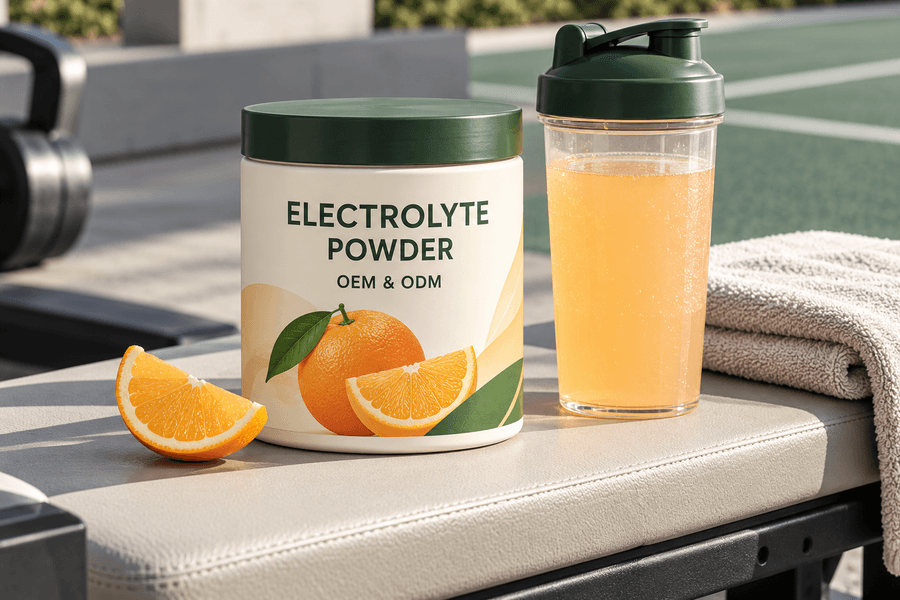
Sports drink powder
A sports nutrition concept built around your mineral and carbohydrate brief. Develop the drink at its intended water volume and evaluate it in the bottle or shaker customers will use.
- Mineral and carbohydrate targets together
- Taste testing at the intended dilution
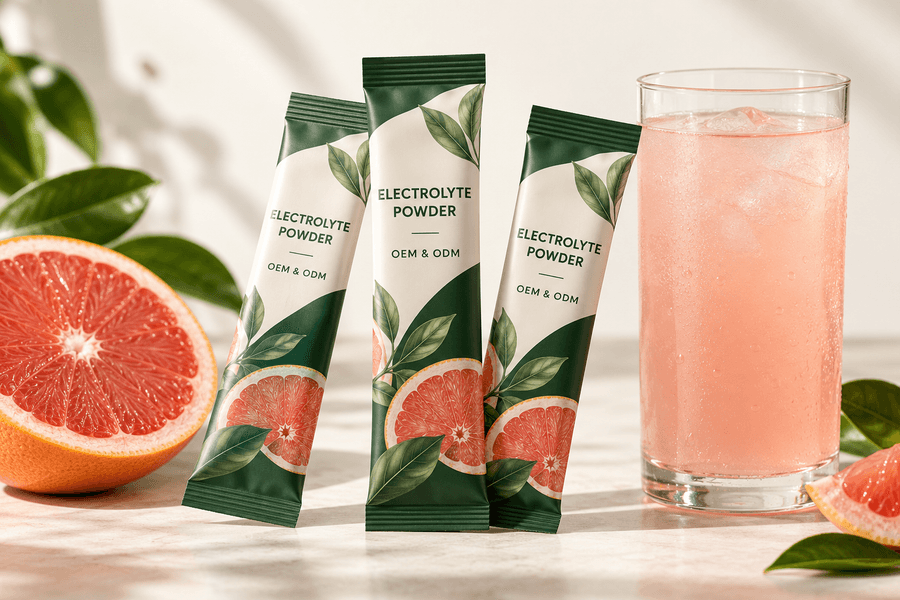
Sugar-free electrolyte concept
A drink mix developed around a sugar-free brief and your preferred sweetener system. Compare sweetness, aftertaste and flavor intensity before selecting the finished direction.
- Sweetener and flavor-carrier selection
- Finished-formula basis for label claims
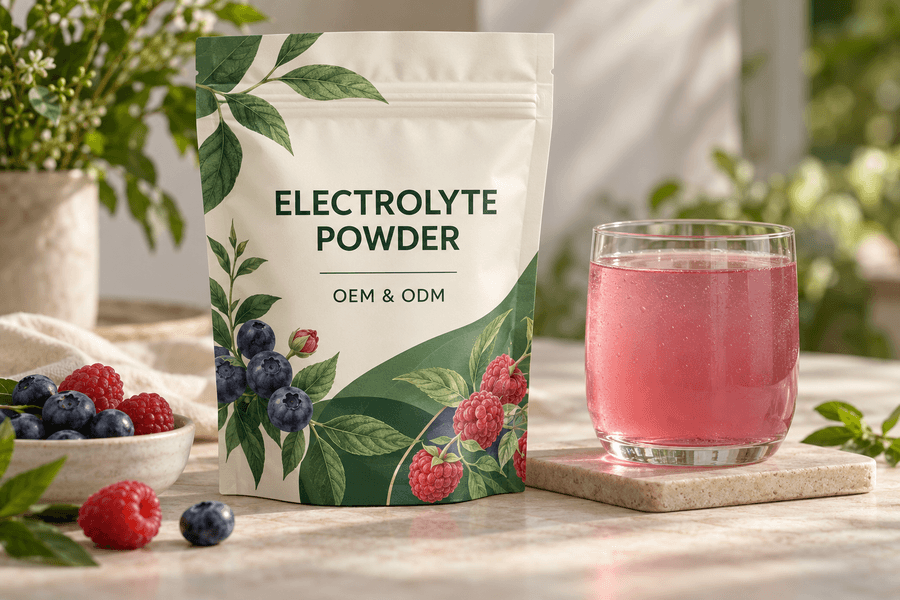
Electrolytes with vitamins
An extended formula concept for brands combining minerals with selected vitamins. Build a purposeful ingredient list and account for each addition in the serving weight, flavor and testing plan.
- Vitamin identities and target amounts
- Compatibility and market-specific labeling
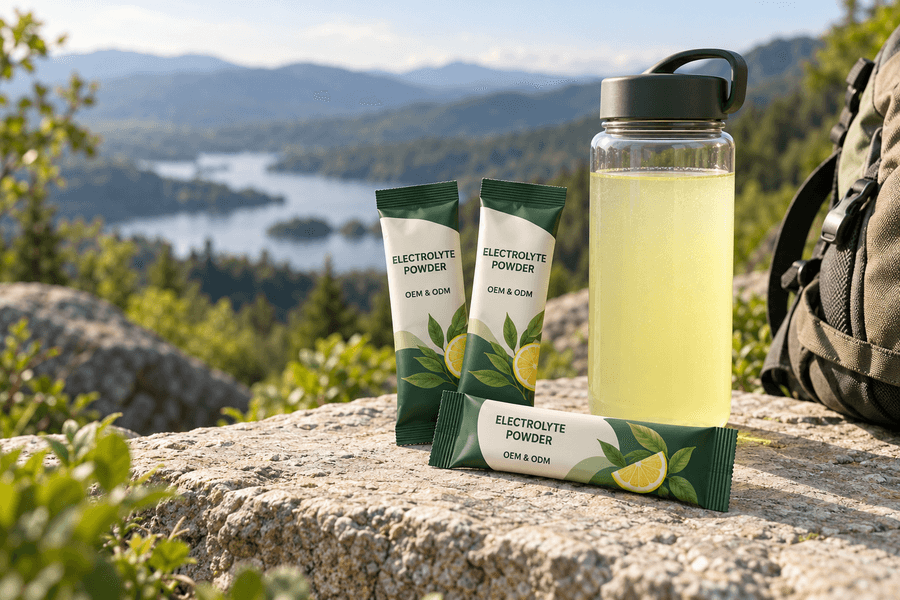
Travel & trial stick packs
A measured portion for introductory boxes, travel ranges or variety packs. Plan how the stick opens, pours into a bottle and fits the outer carton as part of the product experience.
- Portion weight and opening design
- Sticks per box and flavor assortment
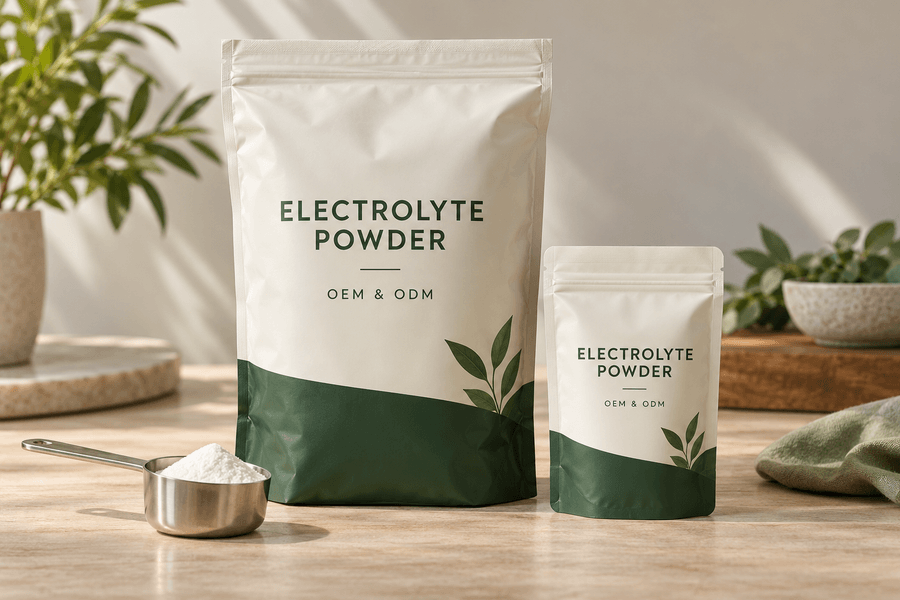
Bulk powder supply
A B2B supply concept for buyers with their own approved downstream packing program. Define the powder specification, receiving pack and responsibilities for final packing and labeling.
- Agreed bulk-pack and handling requirements
- Batch identification and receiving documents
Mineral Ingredients
An electrolyte profile is more than a list of sodium, potassium and magnesium. The source compound affects how much ingredient is needed, its contribution to the overall formula and its behavior in the finished drink.
Build the specification around elemental mineral amounts per serving, then select suitable source ingredients. Common ingredient categories below are options for discussion, rather than a fixed stock formula.
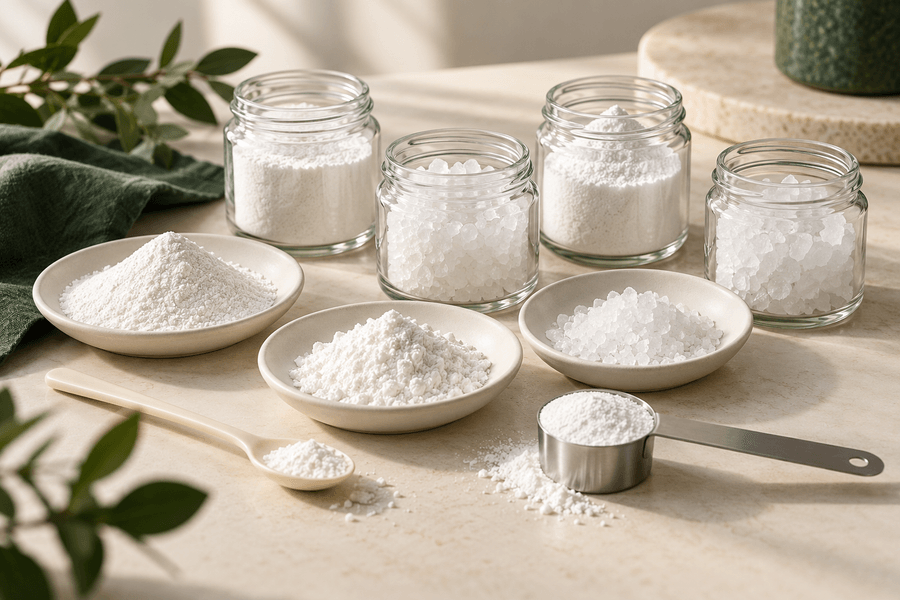
Sodium sources
Sodium chloride and sodium citrate provide different starting points. Source selection belongs alongside the sodium target, chloride contribution, acidity system and taste brief. Count sodium contributed by other ingredients in the formula as well.
Potassium sources
Potassium chloride and potassium citrate are examples to assess. Compare the exact ingredient grade at the intended use level; a mineral source name alone does not describe the finished drink's taste.
Magnesium sources
Citrate and other magnesium ingredients require a specific grade and elemental assay. Even citrate ingredients can differ in chemical form and hydration state, so avoid treating every magnesium citrate specification as interchangeable.
Calcium & additional minerals
Add them when they serve the product brief. Source selection also needs to fit the appearance and mixing target; ingredient suppliers offer distinct calcium salts for different beverage applications.
Record source name, supplier specification and elemental contribution together. Availability and the selected grade become part of the agreed formula.
Formula Specifications
Three numbers describe different parts of the product: elemental minerals per serving, total powder per serving and water used for mixing. Keeping them separate makes formula development and quotation much clearer.
The rest of the serving has to accommodate the source compounds, flavor system, acids, sweeteners and any additional ingredients. Changing the mineral source can therefore change the available space in the same pack.
Scroll to compare options
| Brief element | What it controls | What to send |
|---|---|---|
| Elemental mineral targets | The mineral amount contributed by the source ingredients. | Your target for each mineral per serving, with any preferred source forms. |
| Total serving weight | The powder portion and its relationship to the pack. | Grams per stick, sachet or scoop; expected servings per retail unit. |
| Mixing water | The concentration at which the product is tasted and used. | Milliliters per serving, water temperature and intended bottle or glass. |
| Additional ingredients | The remaining formula space and sensory workload. | Ingredient identities, target amounts and the purpose of each addition. |
Calculation basis: required source-ingredient weight = target elemental amount ÷ the ingredient's elemental fraction. Use the selected grade's specification and consistent units; calculate every contributing source.
Flavor Options
Describe aroma, fruit character, sweetness, acidity and acceptable mineral aftertaste. A light citrus water and a bold fruit drink need different sample targets, even when both use lemon.
Use these families to describe the direction you want, then compare samples at the intended mineral load and dilution.
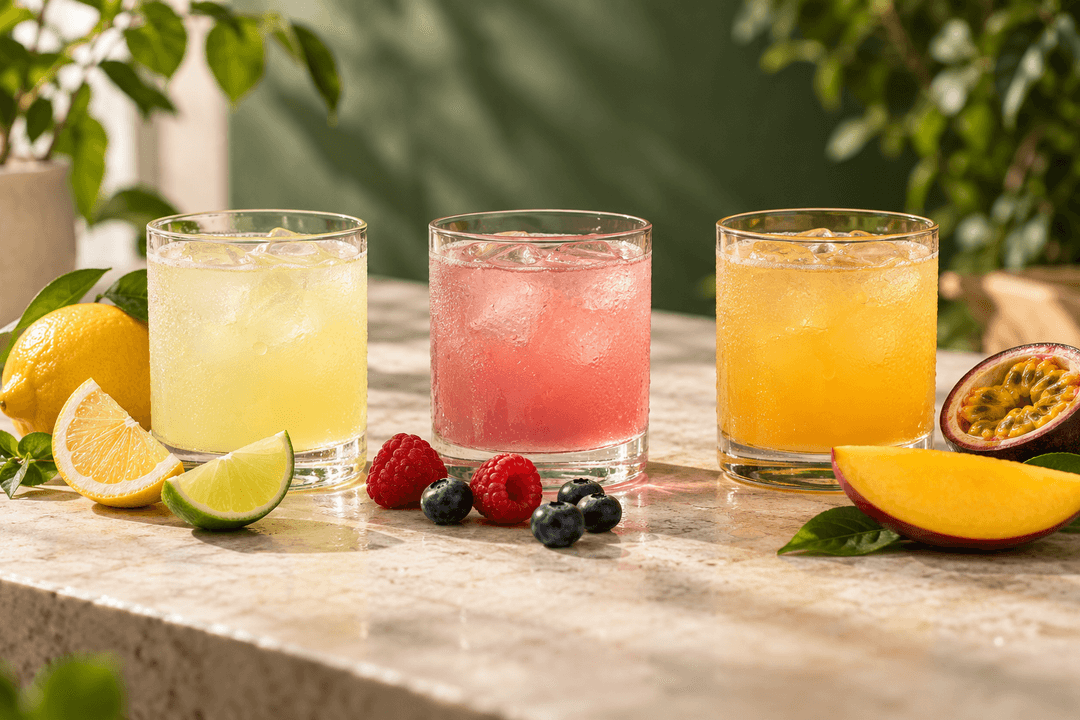
Lemon & lime
Set the balance between peel aroma, juice character and tartness. Choose a subtle drink or a stronger lemonade-style direction.
Orange & citrus blends
Choose between sharper citrus notes and a rounder orange profile. Include preferences for color and finish in the sample brief.
Berry
Name the fruit character you want, from tart mixed berry to a softer strawberry direction.
Tropical
Describe mango, pineapple or passion-fruit notes and which fruit should lead the blend.
Watermelon & lighter fruit
Describe the aroma strength and sweetness level carefully. A familiar fruit name can still produce very different sensory expectations.
Unflavored or lightly flavored
Define the intended use and acceptable mineral character. Adding less flavor still requires a specific target for the finished drink.
Fruit shown in concept imagery communicates a flavor direction. Fruit powder, juice powder and flavoring are separate ingredient choices to state in the formula.
Sugar & Sweetener Options
Carbohydrate content and sweetness are separate design decisions. Sugar can contribute both; high-intensity sweeteners can supply sweetness in much smaller quantities. The choice also affects ingredient labeling, powder weight and the sensory finish.
Write the carbohydrate target and sweetener preference as two lines in the brief. This helps distinguish a sugar-free concept from a carbohydrate-containing sports drink.
Scroll to compare options
| Direction | Development focus | Useful detail for the brief |
|---|---|---|
| Sugar-containing system | Set sweetness and carbohydrate amounts together. | Preferred sugar source, carbohydrate target and total serving weight. |
| Steviol glycosides | Choose the specific ingredient and evaluate the complete flavor profile. | Ingredient preferences, sweetness intensity and acceptable finish. |
| Monk fruit extract | Define the extract and any blend or carrier ingredients. | Required ingredient declaration and the full sweetening blend. |
| Sucralose-based system | Evaluate the target taste and intended market conditions. | Whether it may be used alone or with other sweeteners. |
| Combined system | Use the whole formula as the basis for comparison. | Allowed ingredients, carbohydrate target and sample acceptance criteria. |
Sugar-free, no-added-sugar and low-calorie claims describe different conditions. Select claims against the complete finished formula and the rules for the destination market.
Mixing & Taste
A powder can disperse into water without every component dissolving. A drink can also be intentionally cloudy. Define the appearance you want and assess it with a repeatable method instead of relying on a single quick stir.
Keep powder weight, water volume, water temperature, container and mixing time consistent. Test the intended instructions first; an easier laboratory method can hide a frustrating consumer experience.
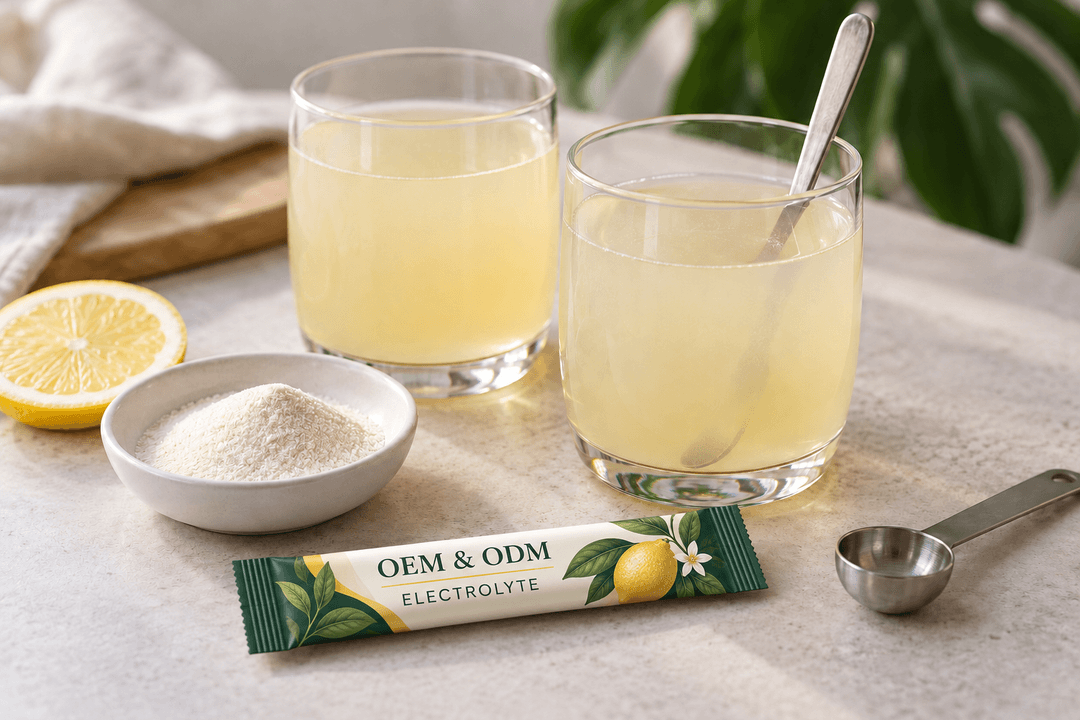
Dispersion & wetting
Record floating powder, dry clumps and material left on the bottle wall. Note how much shaking or stirring is needed under the intended instructions.
Clarity, suspension & settling
Observe the drink immediately and after an agreed standing time. Distinguish dissolved material, acceptable cloudiness and sediment that falls outside the target.
Drink experience
Compare foam, mouthfeel and flavor from the first sip to the finish. Assess the sample at the water temperature and dilution printed in the proposed instructions.
The acceptance sheet should describe the result and the method. It gives development and production teams the same target.
Packaging Options
Packaging shapes portion control, retail presentation, shipping and reorder economics. Choose the format with the formula, rather than waiting until the powder is finished.
For every format, specify the product-contact material, barrier requirement, sealing or closure system, artwork and batch-code area. Pack dimensions should follow the actual powder and filling requirements.
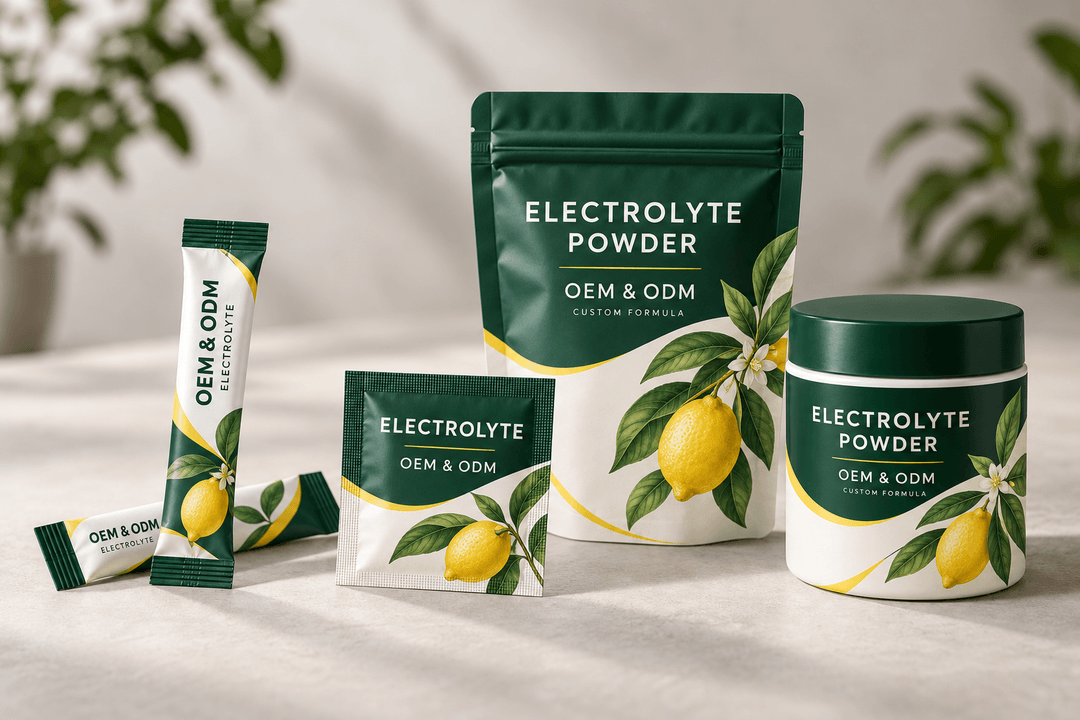
Stick packs
A narrow, measured single serving for bottles, travel ranges and multi-stick boxes. The fill weight, powder behavior and opening design determine how convenient the pack feels in use.
- Stick dimensions and fill weight
- Film structure and opening position
- Sticks per carton and flavor assortment
Sachets
A single portion with a different shape and print layout from a stick. Useful for trial packs and projects that need a wider presentation or a specific fill configuration.
- Sachet dimensions and seal areas
- Pouring opening and portion weight
- Individual or carton presentation
Stand-up pouches
A flexible multi-serve format for a retail range or refill concept. Include the zipper, opening, label area and scoop requirements in the same pack specification.
- Net weight and servings
- Product-contact and barrier specification
- Reseal design and scoop arrangement
Tubs
A rigid multi-serve pack for a powder line. Choose the container, closure, liner and scoop together, with enough usable label space for the required product information.
- Container dimensions and net weight
- Closure, liner and tamper features
- Scoop selection and label application
Printed film, labels, containers and cartons can have separate minimums. Ask for a quotation that identifies both powder and packaging requirements.
OEM & ODM Services
The useful distinction is who supplies the formula and how much development work is needed. Describe that scope in the brief, alongside ownership, confidentiality, sample work and change control.
Scroll to compare options
| Route | Your starting point | Work to define |
|---|---|---|
| OEM: your formula | A formula and specification you already control. | Ingredient specifications, sourcing, process suitability, sample match and commercial packing. |
| ODM: develop together | A product concept, target label or reference. | Mineral targets, ingredient choices, serving, sensory development and the specification for the approved version. |
| Adapt an existing product | A current product you want to change. | The exact changes to taste, formula, pack or serving, plus the features that must stay consistent. |
A reference product helps communicate a target. It does not replace a formula specification. Agree on ownership and confidentiality terms before sharing proprietary material.
Sample Development
Sampling turns the brief into something your team can taste, mix and compare. A focused first round is easier to evaluate when you identify the must-haves and the features you are willing to adjust.
Set the sample brief
Supply the formula or mineral targets, serving weight, mixing water, flavor and packaging direction. List exclusions and identify the reference sample, if there is one.
Compare controlled versions
Use the same preparation method and record sweetness, acidity, saltiness, aftertaste, appearance and mixing behavior. Label each version so feedback refers to the correct sample.
Resolve specific changes
Give precise feedback such as a lighter aroma or less sourness at the same dilution. This is more useful than asking for a better taste without a defined target.
Approve the specification
Link the accepted sample version to the formula and instructions. Carry the agreed product attributes into the commercial specification and pack artwork.
Link each sample version to its formula and preparation method, so the final decision rests on a clear comparison.
Manufacturing Process
The order schedule connects ingredient and packaging readiness with blending, filling, release and shipment preparation.
Materials & files
Lock the formula version, ingredient specifications, pack components and print files. Identify any customer-supplied materials and their arrival requirements.
Batch preparation
Set the batch quantities, material identification and manufacturing instructions. Include the in-process checks that apply to the product.
Blending & filling
Produce the powder and fill the selected pack against the approved requirements, including the defined fill weight and applicable packaging checks.
Retail & carton packing
Match labels and artwork versions, batch identification, date coding, retail counts and carton configuration to the order.
Release & dispatch
Complete the agreed quality and documentation steps, then prepare the order for the chosen shipping terms and destination.
Use an order checklist to track formula, materials, artwork, quality requirements and shipping responsibilities through each stage.
Quality & Testing
A useful quality package connects the ingredient specifications, finished-product requirements and batch documents. It should show what was assessed, the applicable limits and the result for the identified material or batch.
Set the testing scope before ordering. Mineral assays, microbiological checks and contaminant testing answer different questions; the method, sample and frequency matter as much as the test name.
Product specification
Defines composition, mineral targets, physical attributes and applicable acceptance limits. Include the method used where a result depends on test conditions.
Ingredient records
Identify source materials and their specifications, with relevant allergen, origin or ingredient declarations. Capture any essential supplier or grade restrictions.
Testing scope
States which checks apply to ingredients or finished powder, their methods and limits, and whether external laboratory work is included.
Batch COA
Connects the batch identifier with reported tests and results. Read it against the agreed specification and distinguish measured results from other forms of conformity evidence.
Pack & release records
Cover the approved packing configuration, identification and applicable release requirements. Keep the retail pack and shipping carton instructions consistent.
Storage & shelf-life basis
Tie the proposed storage instructions and shelf-life statement to the formula, packaging and supporting evidence for that product.
Document availability, testing frequency and additional laboratory work are defined for the proposed project. Request relevant examples before placing the order.
Label & Market Requirements
Tell us the destination country and intended product category before formula and artwork approval. Ingredient permissions, nutrition presentation, claims and importer requirements depend on how and where the product is sold.
Your artwork brief should identify the product name, serving instructions, ingredient declaration, net contents, responsible business details and required language. For U.S. projects, determine the product's classification before selecting the nutrition label format.
Claims & ingredient statements
Choose the exact claims you want to make and the evidence or declarations they require. Sugar-free, vegan, allergen and origin statements need a defined product basis.
Certificates & scope
Where a certification is required, request the current document and check the issuing body, facility, coverage and validity against the proposed order.
Import & receiving files
List the documents your importer, sales channel and receiving warehouse request. Assign responsibility for registration, translation, artwork approval and shipping documents before dispatch.
MOQ & Quotation
Contact us for the MOQ of your proposed formula and packaging. Send the expected quantity for each flavor and pack size; a combined total alone can hide several separate production and print requirements.
Compare the full order basis rather than only a price per unit. Two similar-looking packs may contain different serving counts, mineral sources or testing scopes.
| Cost or schedule item | What affects it |
|---|---|
| Formula cost | Ingredient identities, grades, elemental targets, flavor system and total powder per unit. |
| Packaging cost | Material construction, fill format, printing, container components, retail counts and cartons. |
| Development scope | Sample versions, formulation work and any additional sample rounds. |
| Quality & documents | Agreed testing, external laboratory work and product-specific document requirements. |
| Order structure | Quantity per flavor and pack, print minimums and expected reorder pattern. |
| Delivery basis | Destination, carton configuration, freight method and trade terms. |
Your proposal should separate product, packaging, development, testing and delivery costs where relevant.
Electrolyte Powder FAQs
What belongs in the formula and flavor brief?
Send the target minerals, serving weight, ingredient preferences and flavor direction. If you have a reference product, explain the specific features you want to keep or change. Include exclusions and the intended mixing instructions.
What is the MOQ for electrolyte powder?
Contact us for the MOQ of your formula and pack. Include quantity per flavor, serving weight and packaging format so the quotation can address powder, printed materials and retail packaging together.
Can I choose sodium, potassium and magnesium forms?
Yes, include preferred source ingredients in your formula brief. We assess the selected grades alongside elemental targets, serving weight, taste and mixing requirements, then specify the ingredients for the approved product.
Can you develop a sugar-free drink mix?
Yes, we can work from a sugar-free development brief. The sweetener system, flavors and other ingredients must fit the finished formula. Use the complete product and destination-market rules as the basis for the final claim.
Can I start without a complete formula?
Yes. Start with your intended customer, product concept, preferred ingredients and reference label. Through the ODM route, we can work toward mineral targets, a serving plan and a flavor brief for sampling.
Can I have the same formula in sticks and tubs?
That can be assessed as a multi-format project. Keep the intended serving and mixing instructions clear, then establish the fill, scoop, packaging and quantity requirements for each format.
What if I want a clear drink with no sediment?
Put clarity and settling requirements in the brief. Evaluate the complete formula at the intended water volume, temperature and mixing method. Ingredient choices must support the appearance target.
What quality documents can I request?
Ask for the product specification, ingredient information, testing scope and relevant batch documentation. State any certificate or external laboratory requirements so availability, coverage and cost can be included in the proposal.
How do you set shelf life?
The proposed statement needs a supporting basis for the particular formula and packaging. Include storage conditions, distribution requirements and any shelf-life target in the project brief rather than assuming a standard period.
Can you pack a variety box or several flavors?
Send the desired flavors, stick or sachet count and box layout. The quotation should identify requirements for each powder version, printed pack and assortment, including the quantity of each flavor.
What information helps you quote faster?
Share your destination, product category, formula or reference, serving weight, mixing water, flavor, pack and quantity per version. Add your budget priorities and launch target so the proposal can address the decisions that matter most.
Start Your Electrolyte Project
Send your formula, reference label or product concept. Include the serving, preferred flavor, pack format, destination market and estimated quantity.
We will discuss the development route, provide the MOQ for your proposed order and put sampling, production and commercial requirements into a clear quotation.
Already have a formula?
Share the specification and the changes you need.
Starting with an idea?
Describe the customer, product concept and pack you want.