
Creatine Drops
Develop private label Creatine Drops with realistic concentration and serving feasibility review, liquid-base compatibility, branded dropper packaging and B2B OEM/ODM manufacturing support for sports nutrition concepts.

Plan Your Finished Liquid Product
Start with your product concept and target market, then review ingredient, strength, base and serving-device choices together.
- Material
- Identify the creatine form, grade and assay. Review the proposed liquid pathway against the requested material and finished-product requirements.
- Amount per mL
- Assess a feasible amount per mL and serving volume before committing to a label target. A desired contribution is a development question, not a supplied concentration.
- Carrier and behavior
- Review the base, precipitation, chemical stability and relevant storage conditions. Do not assume a clear initial trial remains unchanged in a bottle.
- Serving device
- Evaluate whether a practical measured device and bottle can deliver the proposed serving volume if the concentration and stability review supports development.
Define the Actual Ingredient Preparation
Creatine is commonly used at gram-level serving amounts, which makes liquid-drop delivery materially different from powder or capsule formats. A realistic concentration and serving-volume assessment is essential before positioning the product.
Creatine Grade
Confirm creatine form, assay and supplier documentation for the intended liquid project.
Concentration Feasibility
Model the achievable concentration and serving volume before committing to a marketing serving target.
Stability & Consumer Use
Review liquid-base compatibility, precipitation risk, usage instructions and bottle presentation before sampling.
Review the Base Before Expecting a Clear Liquid
The complete preparation determines what can be assessed in the proposed carrier.
Solution or dispersion
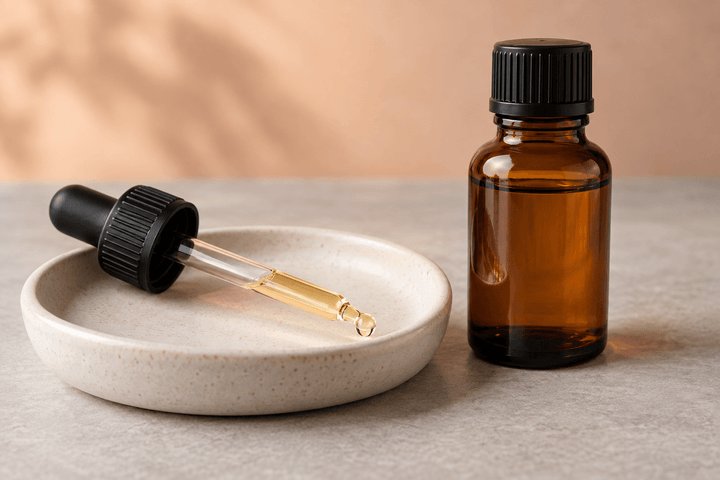
Record whether the proposed liquid is a solution or a dispersion. Assess clarity, particles, settling and any redispersion requirements with the selected ingredient and concentration.
Complete base composition
Identify the intended water, glycerin, oil or other carrier and all additional ingredients. Review any alcohol-free, flavor or sweetness request against the actual composition and market.
Connect Concentration to a Measured Serving
Bottle volume, mL per serving and drop count describe different things.
| Define | What to review |
|---|---|
| Concentration basis | Record ingredient, extract or constituent amount per mL with its material and analytical basis. Keep this separate from the total bottle content. |
| Serving volume | State the intended volume and assess a suitable marked device. Check repeat delivery with the actual liquid, viscosity, closure and bottle. |
| Drop-count wording | If drop-count instructions are proposed, verify them with the selected liquid and dropper. Do not assume an unmeasured drop count is equivalent to a marked volume. |
Review the Bottle, Closure and Filled Product
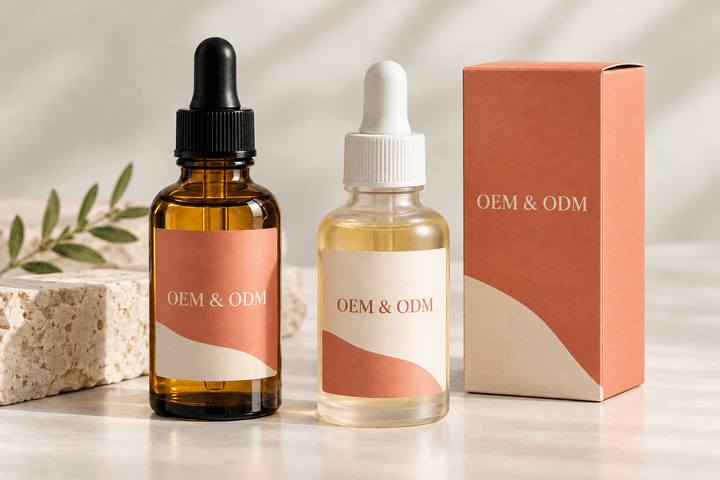
Review the bottle and closure only alongside the assessed concentration and storage requirements. Keep packaging selection conditional on the liquid project review.
Decide What the Trial Needs to Establish
Market and formulation review come before a sampling or manufacturing commitment.
Review the brief and proposed use
Share your product concept, target market, desired strength and bottle preferences. Any existing formula or ingredient specification can help the review, but is optional.
Assess the liquid trial
If technical review supports a trial, compare concentration, particles or settling and relevant creatine-content changes in the proposed liquid and package.
Check the packed reference
Review the finished liquid in the selected bottle and closure. Record device delivery, leakage, handling and the agreed storage observations with relevant content or quality measurements.
Confirm the records
Keep creatine identity, assay, concentration-feasibility and stability records together. Agree the analytical method and reporting points before any commercialization decision.
Discuss Your Liquid Product Requirements
Bring your concept and any preferences already decided; ingredient, strength, device and packaging details can be developed during the review.
HerbalExt can review the proposed project and the information still needed. Feasibility, material availability, sample scope, minimum order and scheduling are discussed for the agreed formula and destination.
- Material
- Preferred ingredients and any existing formula or ingredient specification, if available.
- Liquid target
- Desired strength, serving and taste preferences, with any base requirements already decided.
- Commercial unit
- Bottle, closure, device, destination, quantity estimate and selected tests.
Creatine Drops FAQs
Is creatine suitable for a liquid-drop format?
Feasibility depends on the target creatine amount, solubility, liquid base and serving volume. Gram-level serving expectations may make a small dropper serving impractical, so the concept should be reviewed before sampling.
Can the concentration of Creatine Drops be customized?
A target concentration can be assessed, but the practical limit depends on creatine grade, solubility, stability, serving volume and consumer-use requirements.
Can Creatine Drops be combined with other sports nutrition ingredients?
Blend concepts can be reviewed where ingredient compatibility, stability, serving size and destination-market requirements support the formulation.
What should a B2B buyer provide for a Creatine Drops feasibility review?
Share the target creatine amount per serving, reference product if any, bottle size, serving volume, expected quantity and destination market.


Discuss the Liquid You Want Reviewed
Share your liquid product concept, target market and bottle preferences to identify the formula and packaging decisions to review next.