
Fish Oil Capsules
Develop private label Fish Oil softgels with marine-oil source, EPA/DHA profile and concentration review, oxidation protection, allergen documentation, branded packaging and OEM/ODM project planning.
Private label and OEM/ODM project review for brands, distributors and importers.

Start With Your Softgel Requirements
Fish Oil softgel projects should define source, EPA/DHA concentration, molecular form where relevant, fill weight and serving plan before commercial development.
Fish Oil & EPA/DHA Profile
Confirm marine source, EPA/DHA concentration, relevant quality specifications and supplier documentation.
Fill Weight & Serving
Align oil concentration, fill weight, softgel size and serving count with the intended commercial serving.
Oxidation & Odor Control
Review oxidation specifications, odor management, shell compatibility and protective packaging before scale-up.
Identify the marine oil source, EPA/DHA profile and any required molecular-form information. Compare documented preparations rather than total oil mass alone.
Match the Shell to the Fill
Review the complete fill and the proposed shell together.
Shell composition
Specify the shell source and composition you want reviewed. Keep gelatin or an alternative-shell request linked to ingredient declarations and the actual fill compatibility assessment.
Size, seam and handling
Review shell source, seams and handling with the actual marine fill. Record size preferences without assuming a shell material from the oil category.
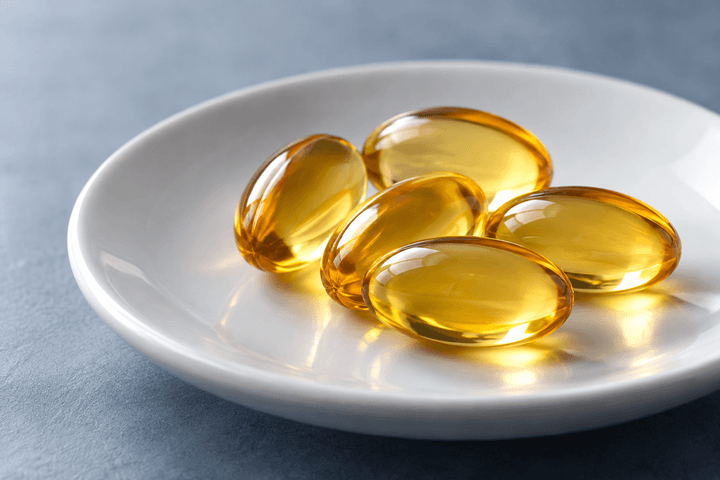
Plan Protection Around the Selected Material
Material-specific checks
Agree relevant oxidation specifications, odor observations and closure protection. Review the packed reference with the selected oil and intended storage conditions.
Packed-product observations
Review appearance, seams, leakage and sticking in the intended pack. Agree which analytical checks and storage conditions accompany the retained reference before accepting a shelf-life statement.
Compare the Commercial Pack
Choose the presentation after fill weight, softgel size and serving count are defined.
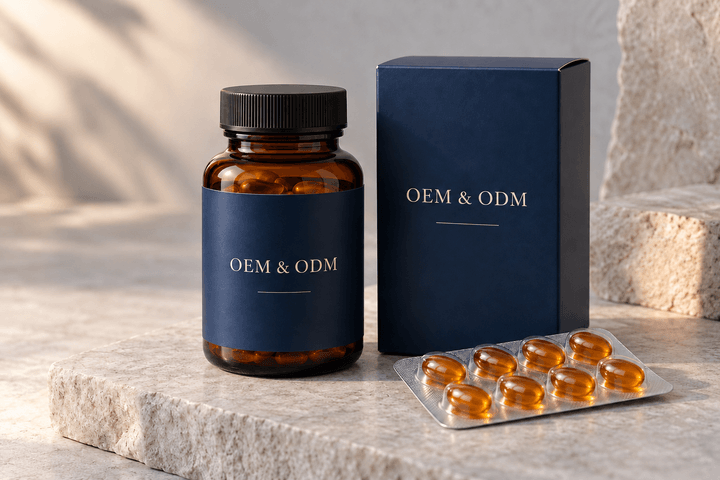
Bottles
Private label bottle concepts with softgel count, closure, light-protection needs and branded label planning.
Blister Packs
Unit-dose blister presentation can be reviewed where product protection, serving control or retail positioning support it.
Retail Cartons / Multipacks
Secondary cartons, bundled units and branded presentation can be coordinated around the approved softgel pack.
Bulk / Contract Supply
Commercial softgel supply can be reviewed for qualified B2B buyers completing downstream packing in their own channel.
Review the Filled Sample as One Product
Keep the material, shell and pack records attached to the same trial.
Share the product brief
Share your product concept, target market, desired strength and packaging preferences. If you already have a formula or specification, include it as an optional reference.
Compare the filled softgel
Compare odor, fill appearance, seams and surface condition. Check count and piece separation in the proposed bottle or blister before choosing the reference.
Review the actual package
Check closure or blister fit, handling, piece separation and the proposed count. Record observations in the selected pack rather than approving a loose sample alone.
Agree the final reference
Confirm the fill, shell, serving basis, pack and selected tests. Keep the approved sample and specification together when discussing commercial production requirements.
Connect the Documents to the Fill and Shell
- Selected material
- Request marine-source, allergen, EPA/DHA and oil-quality documents. Define relevant methods and the batch or finished-product basis of each reported result.
- Composition and serving
- Calculate requested EPA/DHA contributions from the selected oil specification. Keep these distinct from fill weight and softgels per serving.
- Finished product
- Select relevant identity, content, quality and pack checks with their methods and reporting basis. Request the records for the actual agreed product and lot.
Prepare a Comparable Softgel Quotation
Start with your finished-product requirements and work through formula, shell and packaging choices together.
- Formula preferences
- Preferred ingredients, desired strength and any formula requirements you have already decided.
- Shell and retail unit
- Shell source, size preference, serving count and pack format.
- Commercial scope
- Destination, quantity estimate, artwork and selected documentation or tests.
Material availability, sample scope, minimum order and scheduling are reviewed for the agreed specification and packaging.
Fish Oil Softgel FAQs
Can EPA and DHA concentrations be customized for Fish Oil softgels?
EPA/DHA target, oil concentration, fill weight and serving count can be reviewed around the selected raw material and commercial brief.
What Fish Oil quality specifications should be provided?
The project should define source, EPA/DHA profile, oxidation limits, supplier documentation and any destination-market requirements.
How are fishy odor and oxidation managed in softgel development?
Raw-material quality, deodorization expectations, antioxidant strategy, controlled handling and protective packaging can all be reviewed during development.
What allergen documentation is needed for Fish Oil softgels?
Fish allergen information and applicable raw-material documentation should be reviewed for labeling and destination-market compliance.
What should a like-for-like fish-oil comparison sheet show?
Put oil fill mass, EPA and DHA amounts, softgels per serving and the reporting basis in separate columns. Link analytical results to the same stated material and method. Compare the complete serving and pack configuration before treating two quotations as equivalent.


Bring Your Softgel Requirements Together
Share your product concept, target market and any strength, shell or packaging preferences to discuss the next steps.