
Cod Liver Oil Softgel Capsules
Develop private label Cod Liver Oil softgels with marine-source, EPA/DHA and naturally occurring vitamin profile review, oxidation protection, allergen documentation and OEM/ODM softgel production.
Private label and OEM/ODM project review for brands, distributors and importers.

Start With Your Softgel Requirements
Cod Liver Oil softgel projects should define source, EPA/DHA profile, naturally occurring Vitamin A and D levels where relevant, fill weight and serving target before sampling.
Cod Liver Oil Specification
Confirm marine source, EPA/DHA profile, vitamin profile where relevant and supporting supplier documentation.
Fill Weight & Serving
Align oil concentration, fill weight, softgel size and serving count with the commercial concept.
Oxidation & Allergen Review
Plan oxidation protection, odor management, shell compatibility and marine allergen documentation before scale-up.
Identify the cod liver oil and its documented source. Include the EPA/DHA profile and any relevant vitamin A or D information in the material review.
Match the Shell to the Fill
Review the complete fill and the proposed shell together.
Shell composition
Specify the shell source and composition you want reviewed. Keep gelatin or an alternative-shell request linked to ingredient declarations and the actual fill compatibility assessment.
Size, seam and handling
Compare shell fit, seam condition and handling with the selected marine oil. Keep any shell-source preference separate from the oil-source declaration.
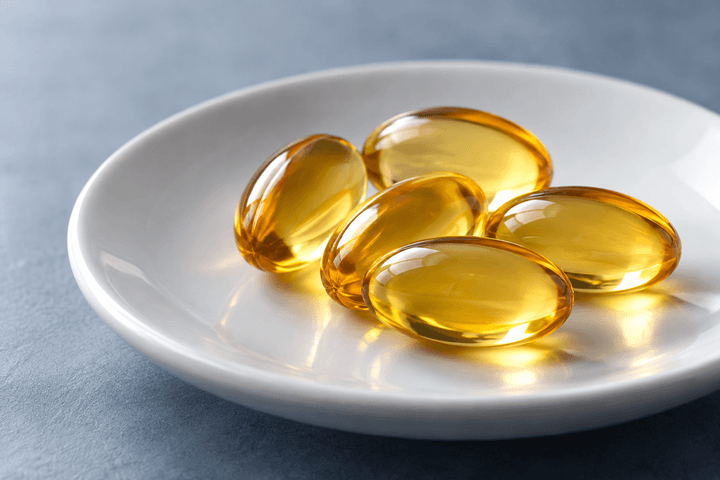
Plan Protection Around the Selected Material
Material-specific checks
Agree oxidation and odor observations for the actual oil and pack. Include light exposure and relevant vitamin-content checks where part of the specification.
Packed-product observations
Review appearance, seams, leakage and sticking in the intended pack. Agree which analytical checks and storage conditions accompany the retained reference before accepting a shelf-life statement.
Compare the Commercial Pack
Choose the presentation after fill weight, softgel size and serving count are defined.
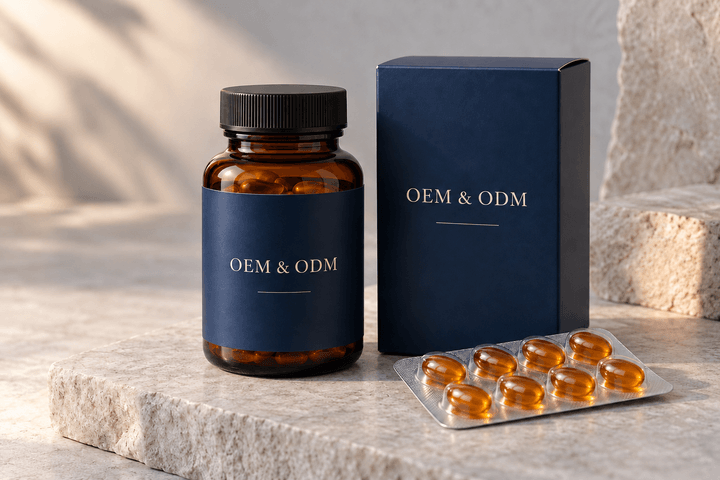
Bottles
Private label bottle concepts with softgel count, closure, light-protection needs and branded label planning.
Blister Packs
Unit-dose blister presentation can be reviewed where product protection, serving control or retail positioning support it.
Retail Cartons / Multipacks
Secondary cartons, bundled units and branded presentation can be coordinated around the approved softgel pack.
Bulk / Contract Supply
Commercial softgel supply can be reviewed for qualified B2B buyers completing downstream packing in their own channel.
Review the Filled Sample as One Product
Keep the material, shell and pack records attached to the same trial.
Share the product brief
Share your product concept, target market, desired strength and packaging preferences. If you already have a formula or specification, include it as an optional reference.
Compare the filled softgel
Review fill appearance, marine aroma, seams and packed-piece handling. Keep the selected oil profile and any vitamin requirements attached to the sample record.
Review the actual package
Check closure or blister fit, handling, piece separation and the proposed count. Record observations in the selected pack rather than approving a loose sample alone.
Agree the final reference
Confirm the fill, shell, serving basis, pack and selected tests. Keep the approved sample and specification together when discussing commercial production requirements.
Connect the Documents to the Fill and Shell
- Selected material
- Request marine-source and allergen information, oil-quality records and the applicable EPA/DHA or vitamin methods. Match documents to the selected input and lot.
- Composition and serving
- Distinguish total oil mass from fatty-acid and vitamin contributions. Record the fill and serving basis used for the proposed finished-product declaration.
- Finished product
- Select relevant identity, content, quality and pack checks with their methods and reporting basis. Request the records for the actual agreed product and lot.
Prepare a Comparable Softgel Quotation
Start with your finished-product requirements and work through formula, shell and packaging choices together.
- Formula preferences
- Preferred ingredients, desired strength and any formula requirements you have already decided.
- Shell and retail unit
- Shell source, size preference, serving count and pack format.
- Commercial scope
- Destination, quantity estimate, artwork and selected documentation or tests.
Material availability, sample scope, minimum order and scheduling are reviewed for the agreed specification and packaging.
Cod Liver Oil Softgel FAQs
Can EPA, DHA and vitamin levels be specified for Cod Liver Oil softgels?
Target specifications can be reviewed where supported by the selected cod liver oil and supplier documentation, subject to destination-market requirements.
What allergen information is relevant for Cod Liver Oil products?
Fish allergen information and applicable raw-material documentation should be reviewed for the approved formula and target market.
How is Cod Liver Oil protected from oxidation?
Oxidation control can include raw-material acceptance criteria, antioxidant strategy, controlled handling and protective bottle or blister packaging.
Can Cod Liver Oil fill weight and serving count be customized?
Fill weight, softgel size and serving count can be reviewed around the selected oil specification and commercial serving target.


Bring Your Softgel Requirements Together
Share your product concept, target market and any strength, shell or packaging preferences to discuss the next steps.