
Vitamin D3 Softgels Capsules
Develop private label Vitamin D3 softgels with cholecalciferol potency review, carrier-oil selection, fill-weight planning, shell specifications, branded packaging and scalable OEM/ODM softgel manufacturing for B2B supplement brands.
Private label and OEM/ODM project review for brands, distributors and importers.

Start With Your Softgel Requirements
Vitamin D3 softgel projects should define the cholecalciferol source, target potency in mcg or IU, carrier oil, fill weight and softgels per serving before commercial encapsulation is quoted.
Vitamin D3 Specification
Confirm cholecalciferol source, assay, potency target and supplier documentation for the approved commercial formula.
Carrier Oil & Fill Weight
Align carrier-oil system, target fill weight and softgel size with the intended serving and potency.
Light & Stability Protection
Review light sensitivity, oxidation control, shell compatibility and protective packaging before scale-up.
Identify the cholecalciferol source and preparation. Keep raw-material potency, carrier composition and the requested finished-vitamin contribution separately documented.
Match the Shell to the Fill
Review the complete fill and the proposed shell together.
Shell composition
Specify the shell source and composition you want reviewed. Keep gelatin or an alternative-shell request linked to ingredient declarations and the actual fill compatibility assessment.
Size, seam and handling
Assess vitamin distribution within the selected carrier and filled shell. Compare seams, handling and size alongside the planned finished-content verification.
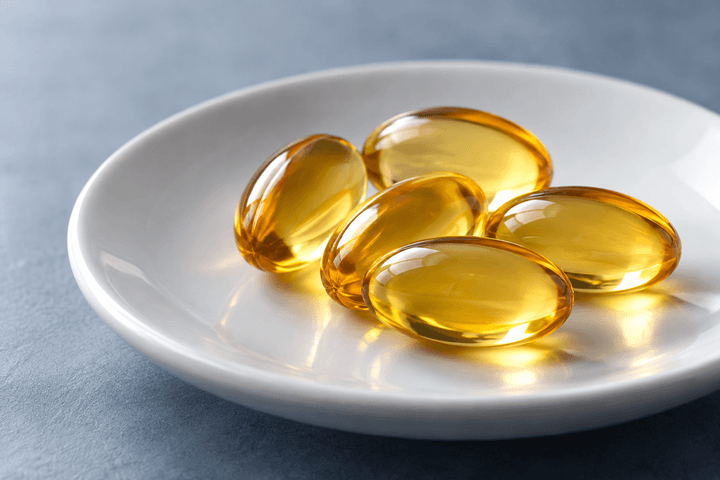
Plan Protection Around the Selected Material
Material-specific checks
Review light exposure and relevant vitamin-content measurements in the proposed pack. Keep carrier, shell and storage conditions linked to that assessment.
Packed-product observations
Review appearance, seams, leakage and sticking in the intended pack. Agree which analytical checks and storage conditions accompany the retained reference before accepting a shelf-life statement.
Compare the Commercial Pack
Choose the presentation after fill weight, softgel size and serving count are defined.
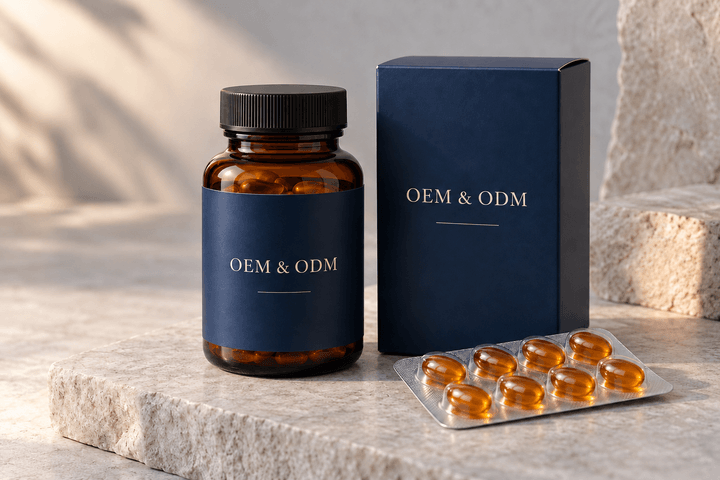
Bottles
Private label bottle concepts with softgel count, closure, light-protection needs and branded label planning.
Blister Packs
Unit-dose blister presentation can be reviewed where product protection, serving control or retail positioning support it.
Retail Cartons / Multipacks
Secondary cartons, bundled units and branded presentation can be coordinated around the approved softgel pack.
Bulk / Contract Supply
Commercial softgel supply can be reviewed for qualified B2B buyers completing downstream packing in their own channel.
Review the Filled Sample as One Product
Keep the material, shell and pack records attached to the same trial.
Share the product brief
Share your product concept, target market, desired strength and packaging preferences. If you already have a formula or specification, include it as an optional reference.
Compare the filled softgel
Compare filled-unit appearance, seams and surface condition. Confirm the selected vitamin preparation and carrier before approving a packed reference.
Review the actual package
Check closure or blister fit, handling, piece separation and the proposed count. Record observations in the selected pack rather than approving a loose sample alone.
Agree the final reference
Confirm the fill, shell, serving basis, pack and selected tests. Keep the approved sample and specification together when discussing commercial production requirements.
Connect the Documents to the Fill and Shell
- Selected material
- Request cholecalciferol source, potency, carrier and batch documents. Agree the finished-vitamin method and units used in the product specification.
- Composition and serving
- State the vitamin amount with its reporting unit and calculation basis. Record total carrier fill, softgel size and serving count independently.
- Finished product
- Select relevant identity, content, quality and pack checks with their methods and reporting basis. Request the records for the actual agreed product and lot.
Prepare a Comparable Softgel Quotation
Start with your finished-product requirements and work through formula, shell and packaging choices together.
- Formula preferences
- Preferred ingredients, desired strength and any formula requirements you have already decided.
- Shell and retail unit
- Shell source, size preference, serving count and pack format.
- Commercial scope
- Destination, quantity estimate, artwork and selected documentation or tests.
Material availability, sample scope, minimum order and scheduling are reviewed for the agreed specification and packaging.
Vitamin D3 Softgel FAQs
Can Vitamin D3 potency be customized in a private label softgel?
The target cholecalciferol potency, serving size, fill weight and softgels per serving can be reviewed around raw-material specifications and destination-market requirements.
What carrier oils can be reviewed for Vitamin D3 softgels?
Carrier-oil selection is project-specific and should be reviewed for Vitamin D3 compatibility, fill behavior, oxidative stability, positioning and target-market requirements.
Can Vitamin D3 softgels be combined with other fat-soluble nutrients?
Combination concepts can be reviewed where formula compatibility, serving target, fill capacity and destination-market requirements support the proposed blend.
What packaging is suitable for Vitamin D3 softgels?
Bottle or blister packaging can be reviewed around serving count, light protection, closure and retail presentation requirements.


Bring Your Softgel Requirements Together
Share your product concept, target market and any strength, shell or packaging preferences to discuss the next steps.