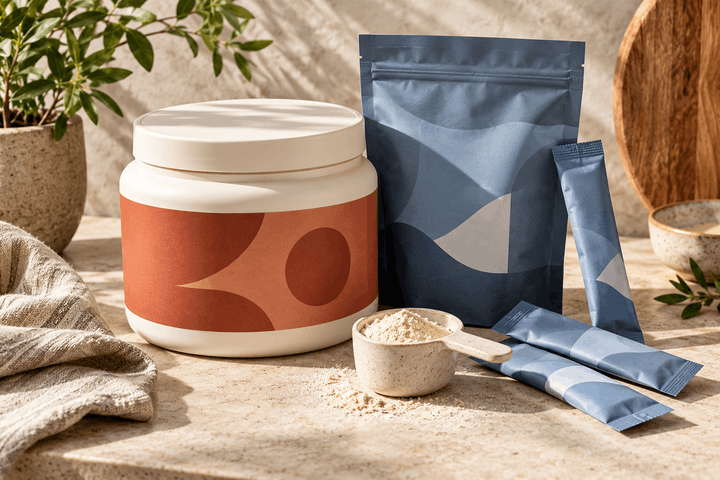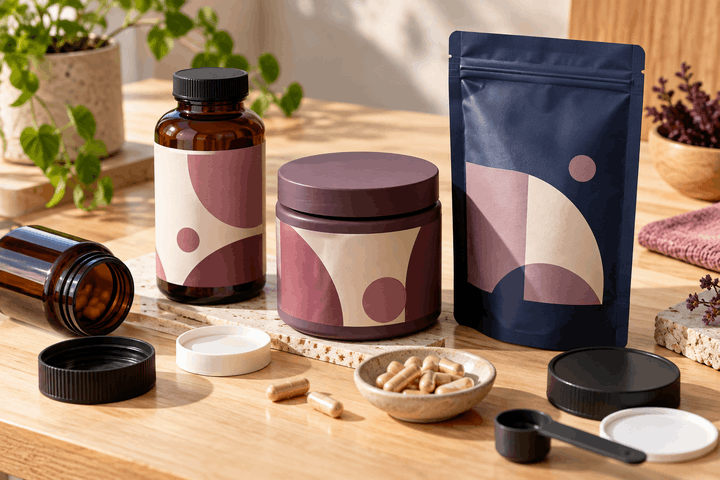
To private label supplements, a distributor selects a finished product made by another business and sells it under its own brand. The difficult part is deciding exactly what the manufacturer will supply, what your business must approve, and what happens when the product changes. A label carrying your name is the visible outcome of those decisions.
Start with the buying model. Are you adding a straightforward product to an established range, adapting a formula for a particular customer, or commissioning a new product? Each route creates different work, evidence and ownership questions. This guide explains how to compare them before committing to development, printed packaging or a production order.
What does private labeling mean for a supplement distributor?
A distributor may already understand retail customers, shipping and account management while having little experience commissioning a supplement. Private labeling brings product decisions into that business. You need an identified formula, an approved pack and a clear relationship with the businesses making, testing and handling the goods.
Do not assume that the words private label, white label, OEM and ODM describe identical services. Suppliers use them differently. Ask for a written description of the proposed work. The useful distinction is between an existing specification, a defined modification and a development project. Review the private label manufacturing scope against what you actually need.
Which formula route should you choose?
Existing formula: examine the specification behind the sample
An existing formula can be worth reviewing when its format and ingredient direction already fit your customers. Request the complete product specification, the available sample, ingredient information and proposed packaging options. Confirm whether the offered sample represents the current formula and whether the quotation covers a filled retail pack or another supply format.
The tradeoff is that fewer formula changes may also mean less product differentiation. Ask whether other brands can buy the same formula, whether the available documentation suits your market, and which features remain fixed. An attractive catalogue entry is not confirmation that every ingredient, flavor or pack shown is available for your order.
Modified formula: define each change separately
A modification might concern flavor, ingredient preparation, supporting ingredients, capsule shell or serving format. Describe it precisely. Changing a label color and replacing a botanical extract are different requests, even if both are presented as customization. Ask which changes need new samples, analytical work, packaging review or a revised quotation.
Keep a change log showing the original specification, the requested alteration and the accepted result. If several features change at once, it becomes harder to explain why a sample tastes different or why the serving no longer fits the intended pack. Resolve the features that matter most before adding optional variations.
Custom development: start with a brief that permits decisions
A new formulation needs a clear purpose and constraints. State the intended customer, destination market, dosage form, ingredient preferences, exclusions, target serving and preferred packaging. Identify which requirements are essential and which can change after feasibility review. A reference product can explain expectations, but its label does not establish a complete manufacturing specification.
Use custom supplement formulation discussions to compare realistic alternatives. For example, a desired ingredient combination may need a different serving format or a less elaborate flavor system. Ask for the reason behind the recommendation, then record the version chosen for sampling rather than leaving several competing concepts active.

What information should a distributor prepare before requesting a quote?
Give suppliers a brief they can answer consistently. Include the proposed product, customer and market; ingredient list or concept; format and serving; unit count or net contents; intended pack; estimated quantity; and artwork status. List the documents you expect before release. An unknown should be identified as an open decision rather than guessed.
Also explain the commercial setting. A product for your existing wholesale customers may need a different pack presentation from one intended for direct online sales. Customer case quantities, warehouse handling and the ability to replenish individual variants can matter as much as the appearance of a single bottle. Keep these requirements in the same brief.
When format selection remains open, review the available supplement manufacturing formats before comparing final prices. Request separate assumptions for each proposed option. Otherwise, one quotation may describe bulk capsules while another includes a labeled bottle, carton and agreed testing, making the apparent price difference misleading.
Who is responsible for the formula, quality review and label?
Agree responsibilities before the purchase order. Name the businesses and contacts handling material procurement, production, testing, artwork, label review, release documents, shipping and complaints. If another facility or subcontractor performs part of the work, identify the activity and how its records enter the agreed review.
For US products, FDA explains manufacturer and distributor responsibilities for the supplements they manufacture or distribute. Buying a private label service does not make product review a matter of relying on a logo or a sales assurance.
Use a responsibility table before signing
| Decision | What to agree |
|---|---|
| Formula and materials | Who approves the specification and any substitution. |
| Testing and release | Which checks apply, who reviews them and what documents the buyer receives. |
| Artwork and claims | Who provides wording, reviews the market requirements and approves printing. |
| Supply and complaints | Who controls shipping handover, investigations and communication. |
Separate a buyer document request from a manufacturing obligation
Ask what the manufacturer must keep internally and what it agrees to provide to you. Those are related but different questions. A customer summary report may not contain the entire manufacturing record. Request a useful document list, delivery point and escalation route instead of requiring every file without explaining how you will review it.
FDA’s supplement CGMP guide describes production, quality and recordkeeping controls. Use it as a framework for informed questions; do not turn the presence of a single certificate or report into a claim that every aspect of your project has been verified.
Does custom development mean you own an exclusive formula?
Formula ownership, access to the formula and commercial exclusivity require separate discussion. A development fee may cover work without granting every right you expect. Ask whether you receive the full quantitative formula, whether you can transfer it to another manufacturer, and what happens to supplier know-how or pre-existing formulation elements.
Define the scope of any exclusivity
If exclusivity matters, specify what it covers: a particular formula version, packaging design, sales channel, territory or period. Ask about conditions such as purchasing commitments and about permitted variations. A broad promise that a product is exclusive can hide different interpretations about near-identical formulas or sales to other distributors.
Keep brand protection separate from formula rights. The USPTO’s trademark introduction explains trademarks as identifiers for goods or services. A brand name, a label design and a formulation are different business assets; arrange appropriate review rather than assuming one agreement resolves all three.
How should you evaluate samples before approving production?
Review samples against agreed criteria, not memory. Record the sample code, formula revision, preparation method where relevant, appearance, flavor or swallowing experience, unit size and packaging observations. Send consolidated feedback from the people authorized to approve the product. Contradictory messages from different departments can send development in circles.
Connect sample approval to a written specification
A sample is a reference for selected qualities; it does not contain every requirement visible in a photograph. Link it to the ingredient specification, serving information, agreed tests and packaging version. If approval is conditional, list the remaining conditions. Avoid describing a sample as approved while unresolved changes still affect what production should make.
Check whether the sample represents the proposed commercial product
Ask whether the sample includes the intended supplement ingredients and whether its pack is the proposed commercial format. A flavor demonstration or an empty presentation bottle may answer an early design question without representing the finished product. Record that limitation so a useful demonstration does not become an accidental production standard.
For the handover to contract supplement manufacturing, assemble the accepted formula, specification, sample reference and outstanding actions together. A purchase order should point to that agreed set rather than an assortment of old attachments with similar filenames.
What should you confirm about packaging and marketing?
Review the product and pack together. Confirm container type, closure, count or net contents, label dimensions, coding area, carton quantities and shipping presentation. Discuss protection and handling requirements with the packer. A container that looks suitable in a rendering still needs review with the actual product and filling arrangement.
Through supplement packaging services, clarify who supplies artwork, checks physical fit, orders printed components and authorizes the final proof. Confirm ownership and storage of unused stock. If the formula or pack count changes, review the artwork again before allowing leftover labels to be used.
Review sales messages as well as the package. The FTC’s health products guidance explains the need for support for express and implied advertising claims. A supplier’s promotional paragraph should not move automatically into your website, retailer listing or distributor presentation.
How do you compare quotations and plan repeat orders?
Compare the same delivered specification. Separate development, manufacturing, testing, packaging and freight where they are charged separately. Check currency, payment stages, shipping terms, quote validity, quantity tolerances and exclusions. Request clarification when an appealing unit price depends on assumptions that do not match your intended product.
Consider the next order before placing the first. Ask how the current specification will be identified, how material or facility changes will be communicated, and what happens if a packaging component becomes unavailable. Plan stock using your own sales assumptions and confirmed commercial terms, rather than a general promise of quick replenishment.
The supplement startup budget guide helps separate the manufacturing commitment from the rest of your business costs. Retaining cash for label revisions, channel costs and replenishment can matter more than maximizing the number of units in the initial shipment.
How do you prepare the product for wholesale customers?
A distributor’s handover extends beyond the individual retail pack. Confirm how many units are in a case, how cartons are identified, and what information the receiving warehouse needs. Ask your customer about barcode, delivery booking, handling and product-data requirements before production packaging is finalized. A case that works for one customer may not match another account’s receiving process.
Keep a controlled product information file
Create a single approved set of product descriptions, ingredient and serving information, pack dimensions, product photographs and relevant documents for customer use. Identify the version and person responsible for maintaining it. If a retailer or marketplace edits the wording, review the changed description before treating it as approved brand content.
Language or channel variants need their own controls. Similar-looking labels can belong to different markets or pack counts. Decide how the warehouse will distinguish them and how sales staff will know which information to send. An old customer catalogue should not remain the only reference when the product specification has changed.
Check the returns and complaint route before launch
Agree what information your customer service team should collect: product and lot identification, purchase channel, condition of the pack, the issue reported and supporting photographs where relevant. Name the contact who can coordinate an investigation with the supplier. Keep ordinary commercial returns separate from concerns that require product-quality or safety review.
What if a delivered order differs from the approved product?
Do not settle the issue by comparing an unopened carton with an old sales image. Identify the affected goods, compare the purchase order and current specification, and document what differs. Keep the relevant stock identifiable while the appropriate people assess the issue. A supplier may need the lot number, photographs, samples and receiving records to investigate.
Distinguish a labeling mismatch, damage in transit, a missing document and a product specification concern. They can require different remedies. Ask how the manufacturer will respond, who decides the disposition of goods, and how any replacement or rework will be documented. Agree these commercial arrangements before a dispute, not while customers are waiting for stock.
A purchasing agreement should also explain escalation when the first response does not resolve the issue. Record the people authorized to accept a proposed solution. Sales pressure to dispatch an order should not substitute for the relevant review, and a promise of a credit should not leave the affected product’s status unclear.
Plan an orderly exit as well as a repeat order
Consider how the relationship would end if the distributor stopped a product or changed suppliers. Clarify ownership of remaining materials, access to approved artwork and specifications, final records, and the treatment of unused packaging. An exit plan protects continuity even when there is no current intention to leave. It also exposes assumptions that might otherwise remain hidden until the brand has dependent customers.
A hypothetical distributor decision: existing versus modified formula
Suppose a distributor wants a capsule product for an established customer group. One proposal uses an existing formula with the distributor’s label. Another changes a botanical preparation and capsule shell. This is a hypothetical comparison, not a HerbalExt quotation or customer case.
The distributor should first compare the full specifications, not assume the modified version is automatically better. Ask why the change is needed, whether the serving still fits the proposed format, which sample and testing work changes, and whether new artwork or ingredient declarations follow. Then compare total commitments and repeat-order conditions on the same basis.
If the existing option meets the customer need and documentation requirements, extra development may add little value. If a defined ingredient or shell requirement is central to the business, the modified route may deserve review. The decision becomes clearer when the distributor can explain the requirement and the evidence needed for approval.
Private label supplement questions distributors should resolve
Can I start without a complete formula?
Yes, a product concept can begin the discussion. State the intended customer, destination market, format and preferences, then ask what feasibility information is needed next. Keep preliminary recommendations separate from an accepted production formula. For the wider sequence, use the herbal supplement business launch checklist.
Is the lowest unit price the best private label offer?
Only after the specification and scope align can the prices be meaningfully compared. Missing testing, different packaging, a larger purchasing commitment or different shipping terms can change the overall decision. Ask suppliers to identify exclusions rather than trying to infer them from a short quotation.
Can I change manufacturers later?
That depends on the information, rights and agreements available to your business, as well as the new manufacturer’s assessment. Discuss access to the formula, packaging files, specifications and relevant product history before signing. Moving a branded product may involve new qualification and sample work; it should not be assumed to be an immediate transfer.
What should I send for a useful first conversation?
Send a concise product brief and identify the decisions that remain open. Include quantity estimates and the documents you need, without presenting an unreviewed reference label as a finished specification. Use the manufacturer selection checklist to keep the discussion focused on capability, evidence and a workable handover.